
Who was the person who attacked OpenAI CEO Sam Altman?
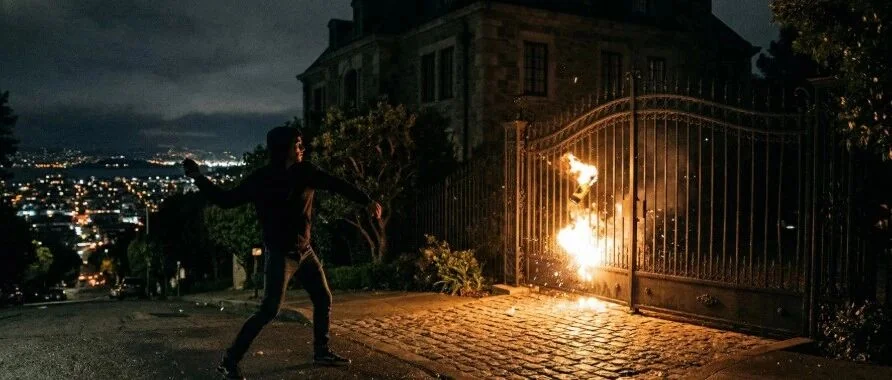
According to CNBC, at 3:30 a.m. on April 10, in San Francisco's affluent Russian Hill neighborhood, a young man threw a homemade Molotov cocktail at the gate of Altman's $27 million mansion. The fire instantly engulfed the top of the driveway entrance.
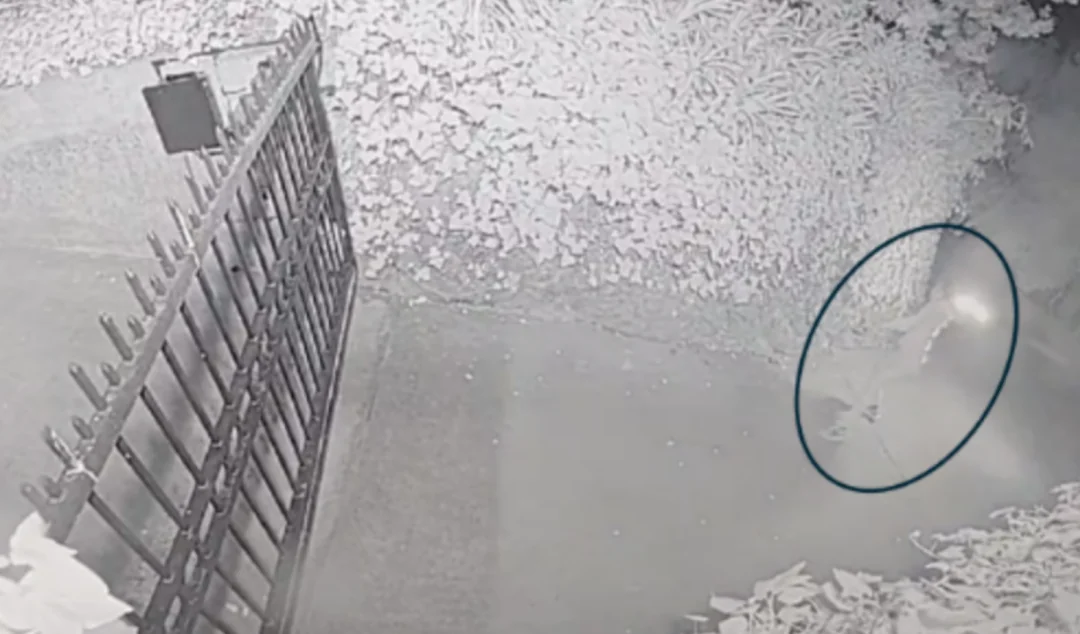
An hour and a half later, the same person appeared at OpenAI's headquarters, smashed a glass door with a chair, and threatened to "burn this place down and kill everyone inside."
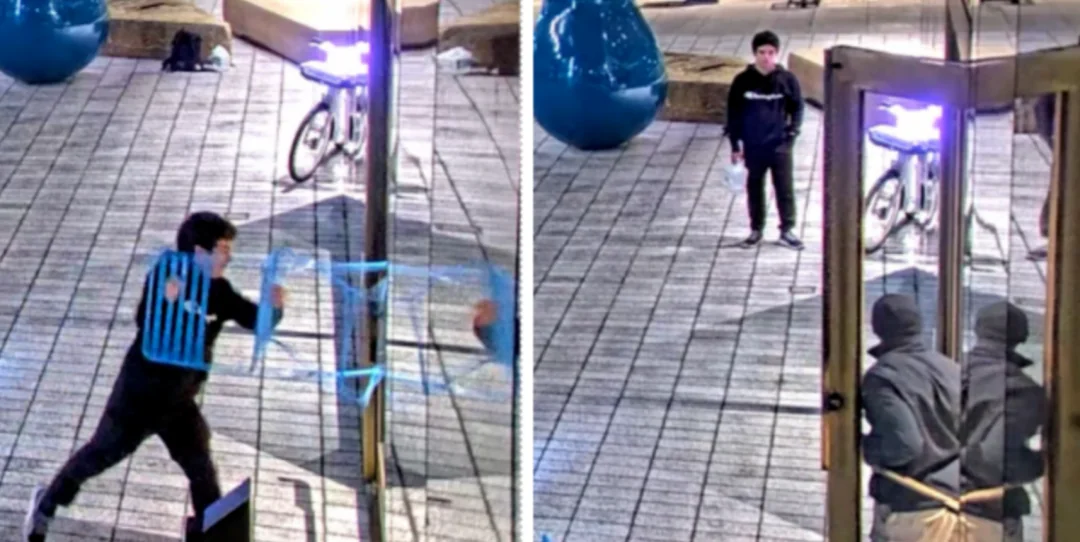
His name is Daniel Moreno-Gama, 20, from the Houston, Texas suburbs. He dropped out of community college and worked part-time at a pizza shop.
Police found a letter on him titled "Your Final Warning." In it, he explicitly stated he had "killed/tried to kill" Altman and claimed AI would lead to humanity's "imminent extinction."
At the end of the letter, he told Altman:
"If you survive, I will take that as a sign from God that you must atone."
But in Daniel's view, Altman wasn't the only one who needed to atone.
The letter included a "death list" with the names of multiple AI company CEOs, board members, and investors.
“I have to stop AI from destroying humanity”
Daniel grew up in the Houston suburbs, living with his mother in a small three-bedroom house on a cul-de-sac. His father founded two Spanish-language churches. As a child, he had a "morbid fear of death." Later, he stopped believing in religion and began searching for new meaning in life.
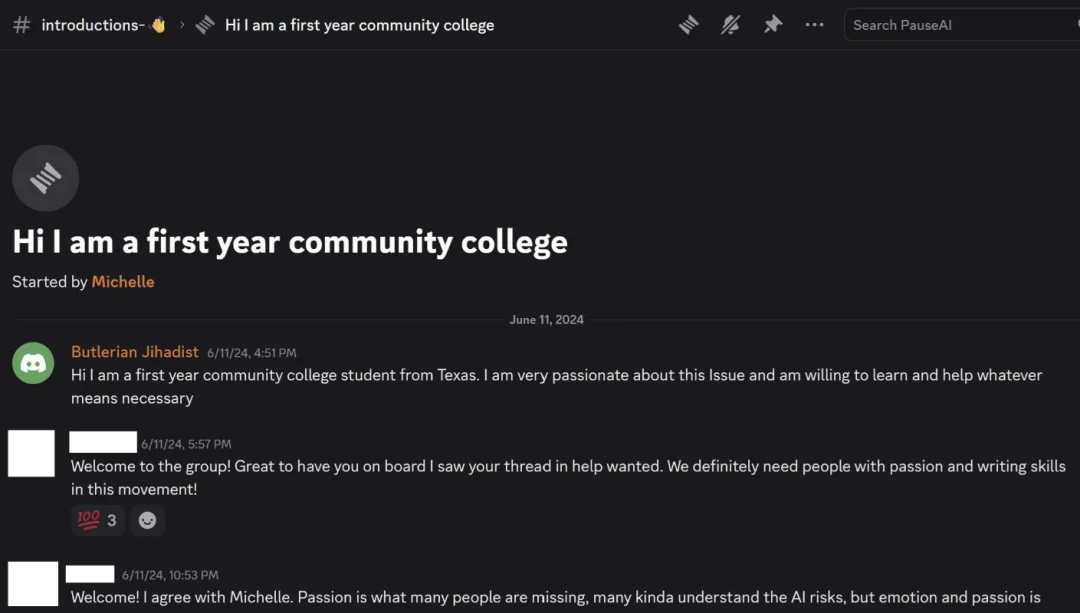
In June 2024, just one week into community college, he joined the Discord channel for PauseAI, an advocacy group calling for a halt to AI development. He used the alias "Butlerian Jihadist"—a reference to the human holy war against AI in the sci-fi novel Dune.
At first, he seemed relatively "normal," appearing to be just another college student concerned about AI safety who enjoyed writing.
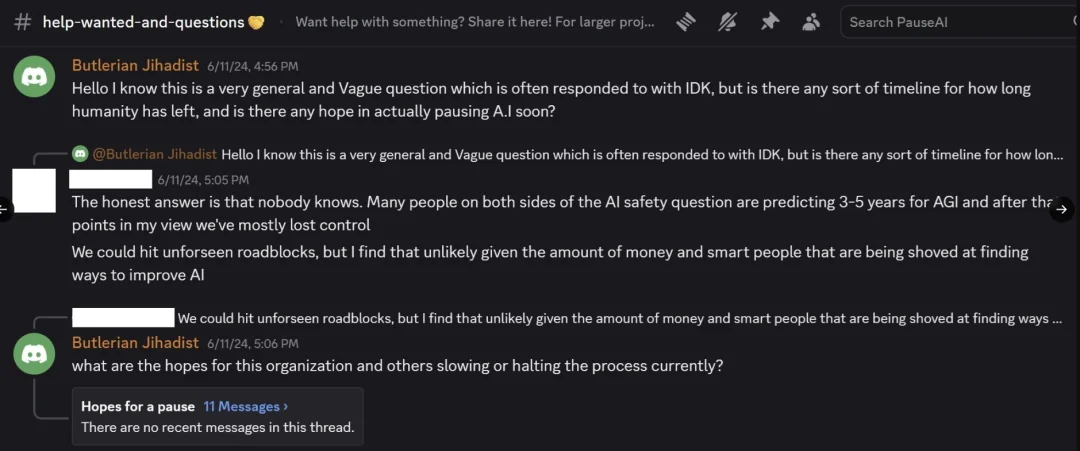
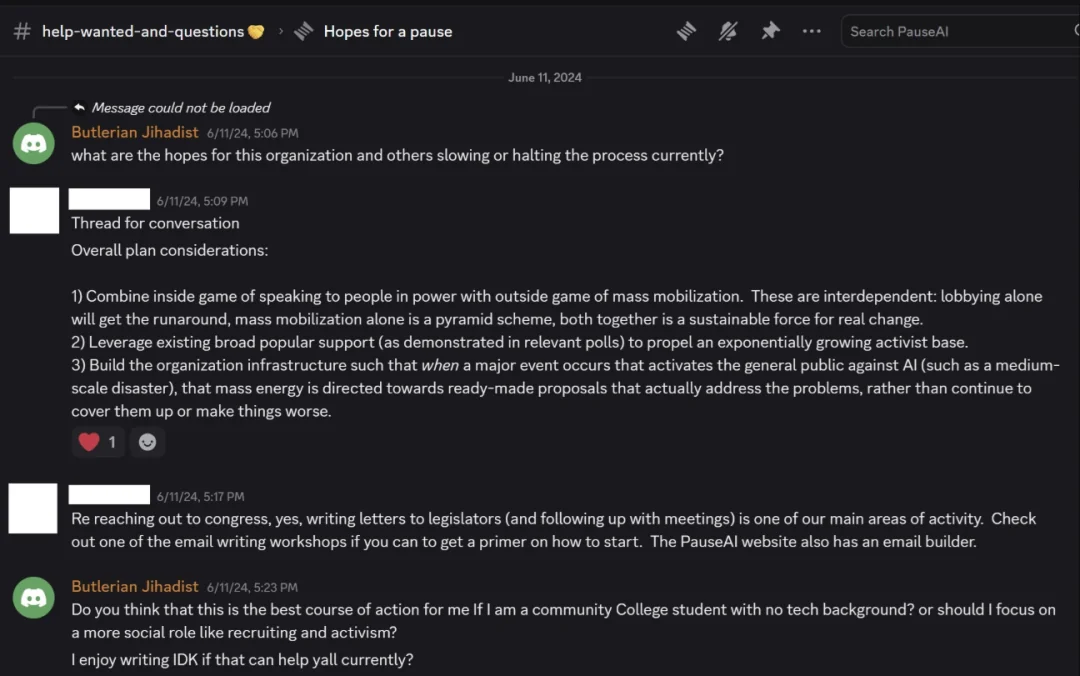
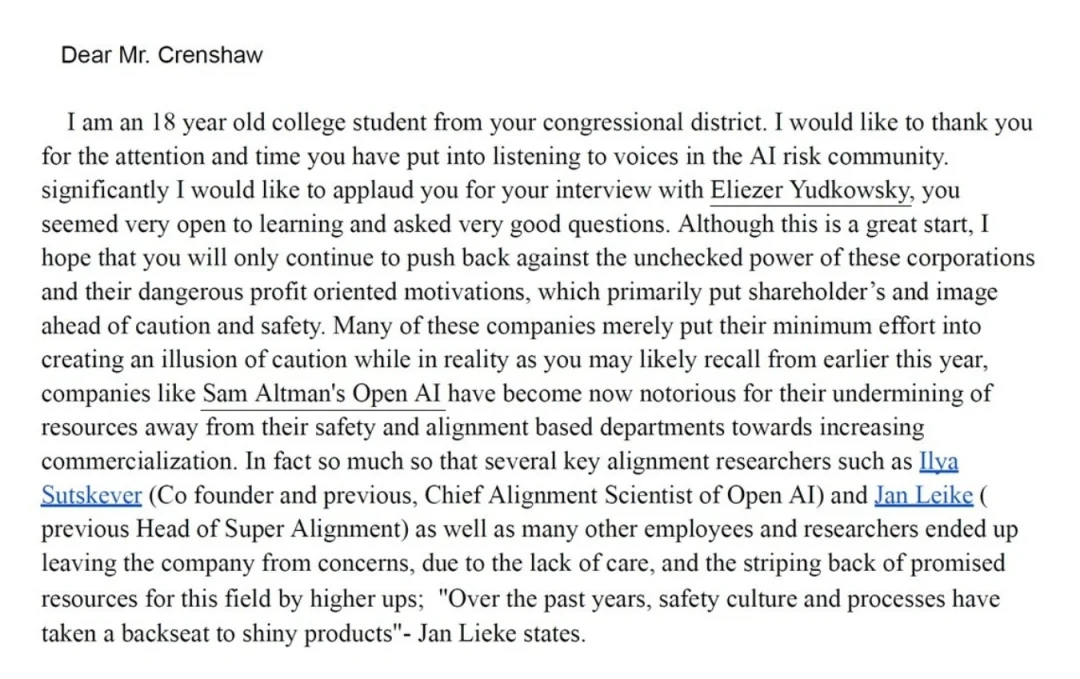
He once drafted a letter to a Texas congressman, using restrained and polite language. In it, he argued that "a small group of people have successfully blinded the government and the public" and asked the representative to focus on AI safety issues.
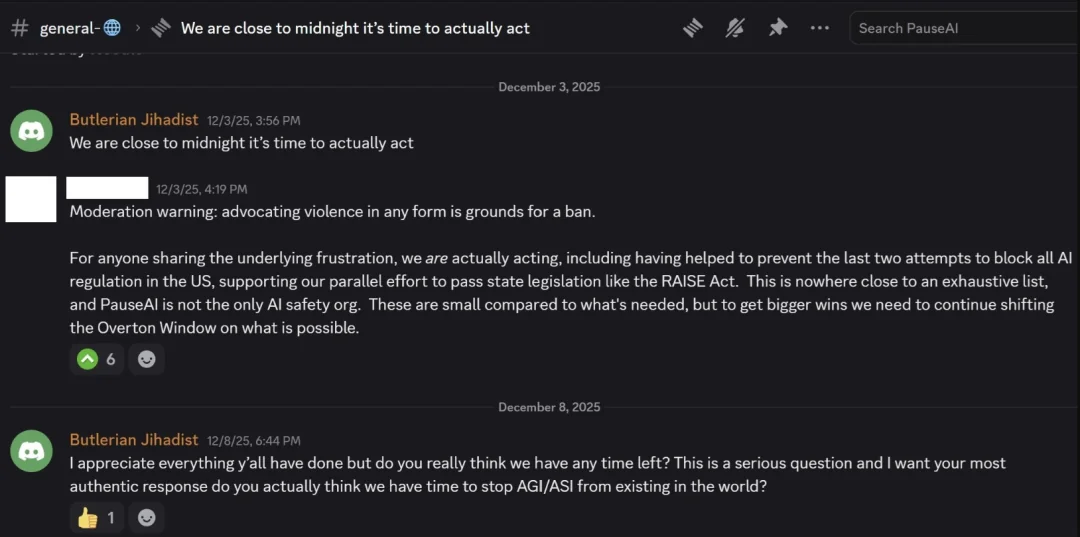
But by December 2025, the tone began to shift.
On Discord, he wrote:
"We owe it to everyone who has ever lived before us, to ourselves, to everyone we know and love, to at least die fighting at the end."
A few weeks later, he posted another message:
"Midnight is approaching. It's time to truly act."
On Instagram, he also shared a book titled If Someone Builds It, Everyone Dies.
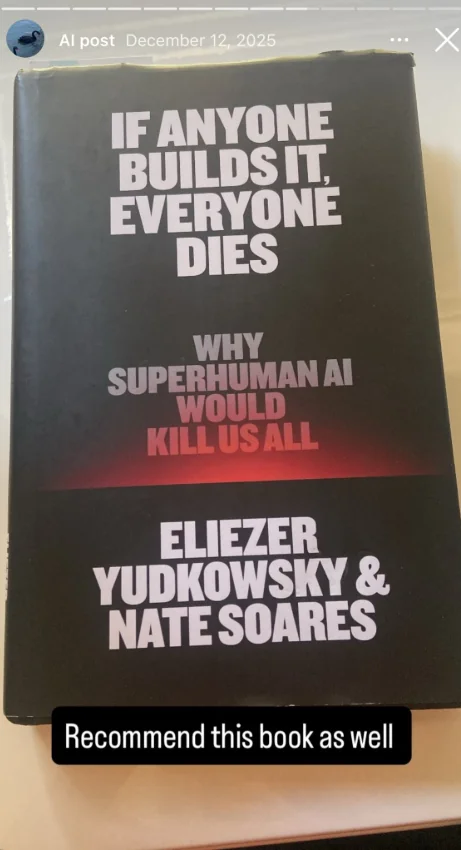
In January 2026, he didn't return to school. His Substack began featuring increasingly long posts about "martyrdom." In one titled "AI Existential Risk," he directly named Altman:
"These people are nothing like you. They are most likely sociopaths/psychopaths, and Altman, according to all reports, is a pathological liar."
Before the attack, he wrote on Substack:
"If these people are pushing forward a process that could destroy humanity, then stopping them is necessary."
"If I'm going to advocate for others to act, I must lead by example."
He then bought a ticket to San Francisco and threw the Molotov cocktail at Altman's home.
Called a “folk hero” by supporters
In late 2024, 26-year-old Luigi Mangione shot and killed the CEO of UnitedHealth on a New York street. Luigi quickly became a "folk hero" to some Americans—people with long-standing grievances against the healthcare system saw him as a symbol of "vigilante justice."
The story even gained some traction online in China, where he briefly went viral for his looks.
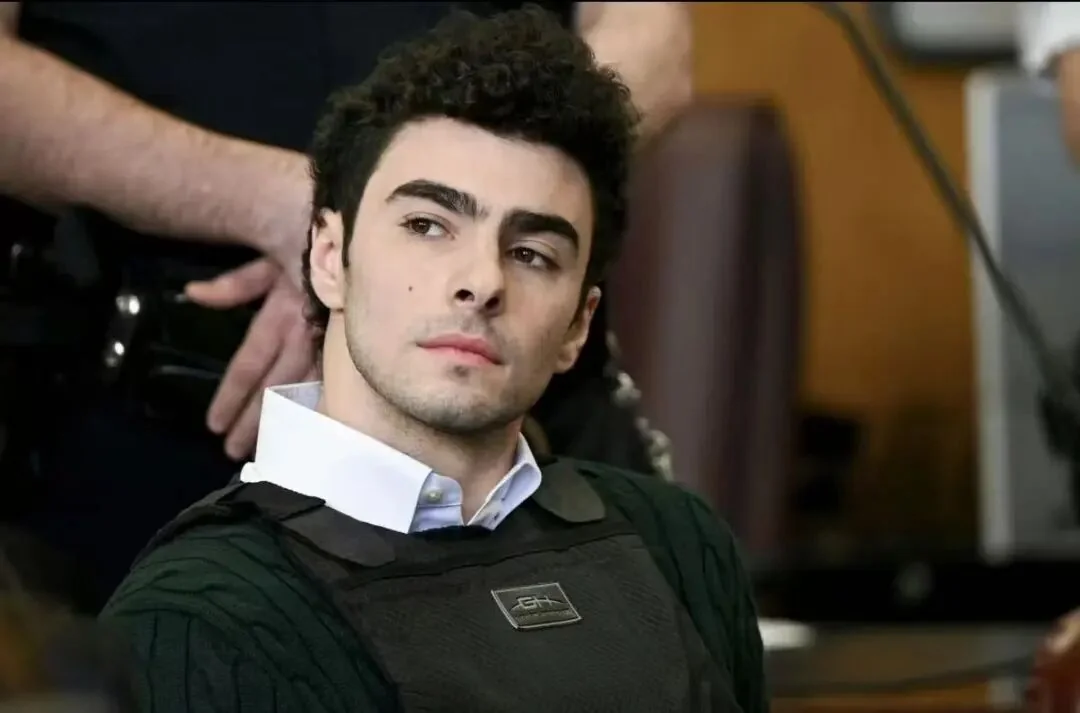
Now, the same script is playing out again. After Daniel's arrest, supportive comments flooded his Instagram. One person wrote: "You are a good person. You're on the same level as Luigi now."
His public defender, Diamond Ward, said in court on Tuesday that Daniel has a history of autism and mental illness, accusing prosecutors of "using a vulnerable young man's mental illness to elevate a property damage case to attempted murder, just to please a billionaire."
San Francisco District Attorney Brooke Jenkins responded: "Whether the victim is a billionaire, a CEO, or just any ordinary San Francisco resident, our standards are the same."
Daniel's parents also issued a statement:
"Our son Daniel is a very caring person who has recently been experiencing mental health issues. We have been trying to help him and find effective treatment for him. He is usually considerate and has never been arrested before. Until recently, he was working at a restaurant while taking college classes. He has never hurt anyone."
FBI Director Kash Patel stated that federal agents have conducted a search of the suspect's residence in Texas. Daniel faces both federal and state charges, including state-level attempted murder, federal charges for destruction of property with explosives, and possession of an unregistered firearm. Law enforcement also indicated that if evidence shows his actions were intended to influence public policy, intimidate a specific group, or create social panic, they could be classified as "domestic terrorism."
The next court hearing has been postponed to May 5. If convicted, he could face decades in prison.
To prosecutors, he's a premeditated terror suspect. To his parents, he's just a child going through a mental health crisis.
A trust crisis fuels fear of AI
Two days after Daniel's arrest, Altman's home was attacked again—this time with gunfire. Two suspects have been arrested, and it's unclear if the two incidents are related.
A recent Bentley University poll of 5,458 Americans found that 78% of respondents don't trust tech companies to use AI responsibly. Daniel's attack on Altman's home is just one symptom—this crisis of trust between humans and AI has existed since AI's inception.
When fear of AI moves from keyboard arguments to gasoline bombs, the problem is no longer just "Is AI safe?" It's that society can't even have a proper conversation about AI anymore.