

The open-source software (OSS) world is about to get a lot more dangerous. In early April 2026, Anthropic and OpenAI released two specialized AI models designed to find and exploit software vulnerabilities at a terrifying speed. The problem? The volunteer maintainers who keep the internet's critical code running can't possibly keep up.
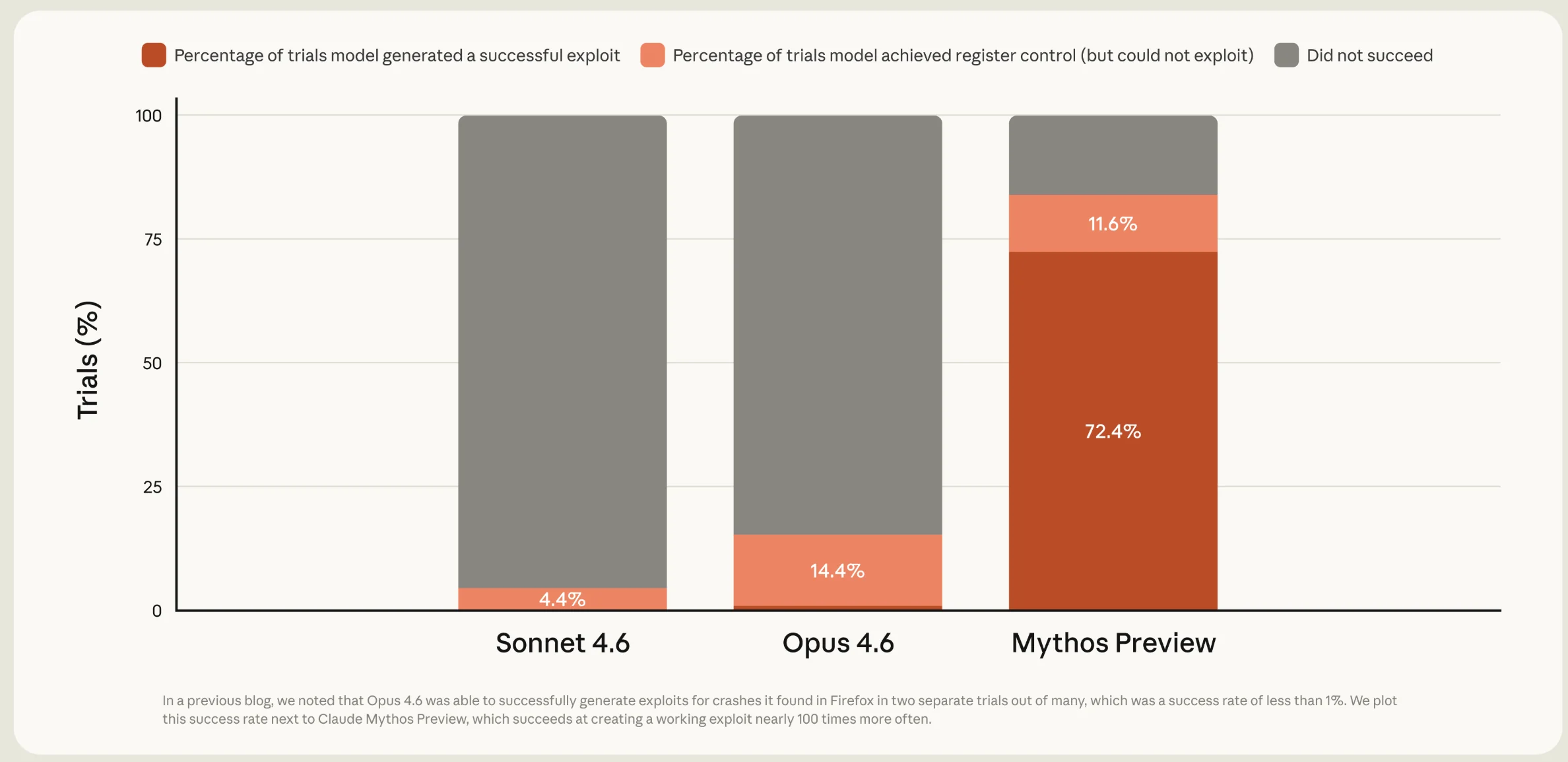
On April 7, Anthropic unveiled Claude Mythos Preview, a model with vastly improved reasoning and a particularly high aptitude for "exploiting vulnerabilities to conduct cyberattacks." A week later, on April 14, OpenAI countered with GPT-5.4-Cyber, a version of its flagship model with security restrictions loosened to boost its offensive capabilities. Both are currently limited to select organizations and security researchers, but their mere existence signals a coming storm.
The “AI Vulnerability Storm”: Building a “Mythos-ready” Security Program | Lab Space
The Unbridgeable Gap
Here's the brutal math. Most OSS projects are maintained by volunteers who have day jobs. From the moment a vulnerability is discovered, it takes an average of 80 days to get a fix to users. These new AI models, however, can analyze entire OSS ecosystems cross-sectionally, finding flaws at a pace that makes traditional security scanners look like they're moving in slow motion.
Aylon Elhadad, CEO of security firm Echo, is sounding the alarm. He warns that if these powerful models become widely available, security defenses simply won't be able to keep up, leaving users exposed for longer periods.
A Band-Aid on a Bullet Wound
Anthropic did launch a companion initiative called Project Glasswing, which aims to give OSS maintainers access to Claude Mythos Preview to bolster their defenses. But Elhadad is skeptical. "Project Glasswing doesn't address the fundamental constraints of OSS projects," he points out. "Fixing vulnerabilities still requires re-validation and production deployment."
The impact is already being felt. The popular OSS scheduling tool Cal.com has announced it will close-source its security-related components, a direct reaction to the new threat landscape.

The Spam Problem Gets Worse
This isn't the only AI-related headache for maintainers. Even before Claude Mythos Preview, projects were being flooded with low-quality, AI-generated code in pull requests, exhausting maintainers who had to sift through what was essentially spam. This has led to proposals for systems to manage contributor trust scores.
Yusuke B., the developer behind the web framework Hono, has written about this exact problem, detailing the burden of manually reviewing massive amounts of code and the influx of pull requests that are little more than spam.