
What do you get when you mix Taiwan's most valuable chipmaker, a former employee, and a Japanese equipment supplier? A decade in prison and a $45 million fine.
Taiwan's Intellectual Property and Commercial Court handed down a first-instance verdict in the TSMC 2nm process trade secrets case. Chen Li-ming, a former TSMC engineer who later worked at Tokyo Electron Taiwan, was sentenced to 10 years in prison. Tokyo Electron's Taiwan subsidiary was fined NT$1.5 billion (about $45 million). The case falls under Taiwan's National Security Act, which designates certain semiconductor processes as "national core key technologies" — making it one of the most closely watched semiconductor trade secrets cases in Taiwan in recent years.
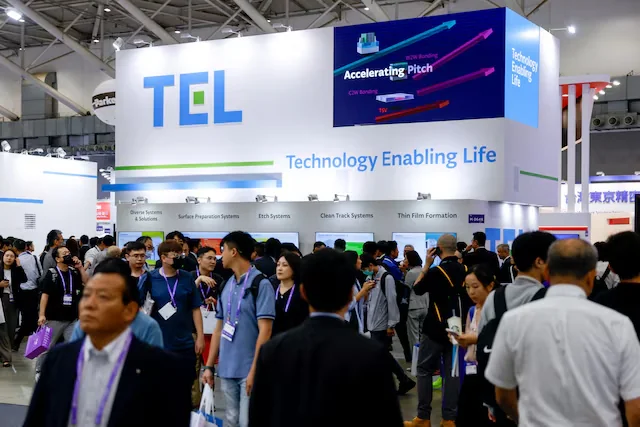
The court found that after leaving TSMC, Chen joined Tokyo Electron Taiwan's marketing department and solicited advanced process information from engineers still at TSMC. The goal: help Tokyo Electron win more equipment orders from TSMC. The stolen data included trade secrets related to etching equipment used in 2nm production, some of which was obtained by photographing and copying documents.
Three other TSMC employees were also implicated: Wu Bing-jun, Ge Yi-ping, and Chen Wei-jie received sentences of 3 years, 2 years, and 6 years, respectively. Lu Yi-yin, a Tokyo Electron Taiwan employee, got 10 months, suspended for 3 years. The NT$1.5 billion fine against Tokyo Electron Taiwan can be suspended if the company pays NT$100 million in compensation to TSMC and NT$50 million to the public treasury.
Tokyo Electron said last year after being indicted that prosecutors did not allege the Tokyo Electron group or its Taiwan subsidiary had organized or directed employees to improperly obtain data, and that its internal investigation found no evidence of the secrets leaking to third parties. TSMC has said it has zero tolerance for trade secret leaks and has strengthened internal controls.