Factory says the app is now available on macOS and Windows, with persistent machine access, desktop-level computer use, and multi-agent project workflows.
Release Overview
Factory has announced a native desktop app for its Droid agents, positioning the release as a broader push to support autonomous AI work across software teams. In a launch thread, the company said the desktop app is available immediately on macOS and Windows for all Factory plans.
Core Product Capabilities
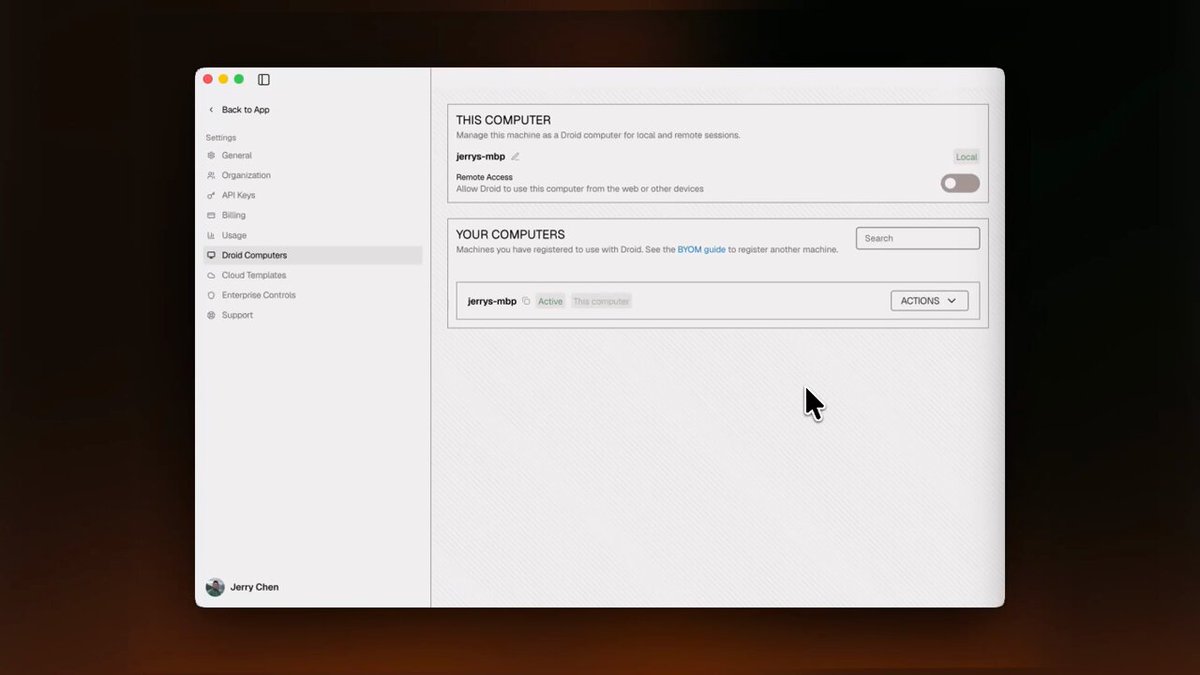
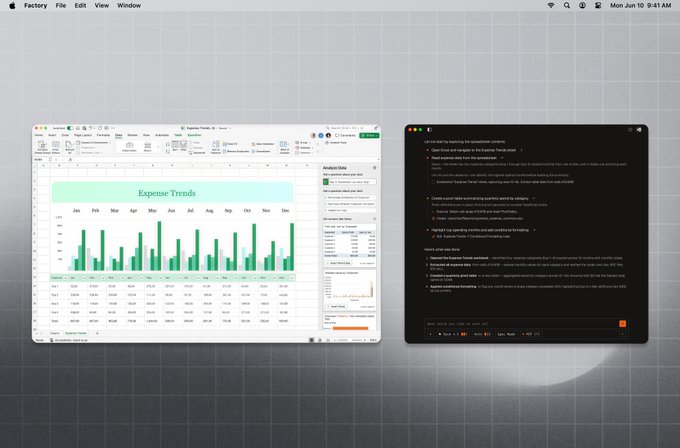
According to Factory, the app includes persistent "Droid Computers" that users can register either in the cloud or on home devices. The company also said agents in the desktop app can operate other software directly, including VS Code, browser tabs, documents, and spreadsheets.
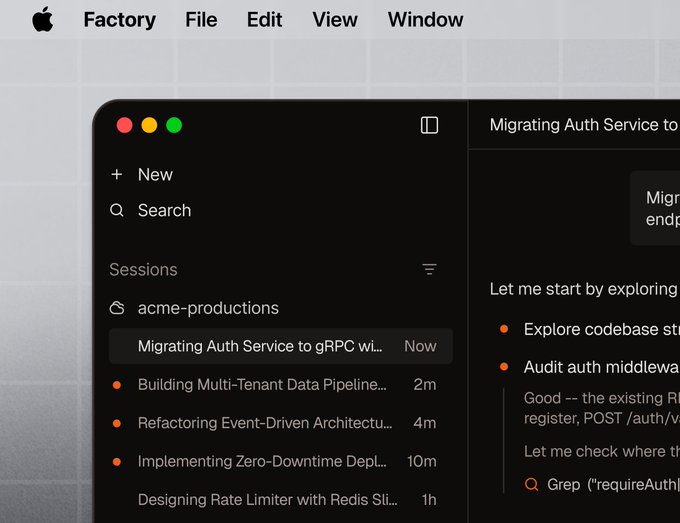
Factory further described multi-agent session support, allowing users to run work across multiple projects and switch between active sessions without losing context. It also highlighted what it called "AI-native visualization," where agents can render Mermaid diagrams, charts, tables, dashboards, and metrics directly in conversations.
Adoption and Performance Claims
In its adoption claims, Factory said enterprise teams adopt Droid "2x faster" when both CLI and desktop are available. It also said users active on both interfaces run "4.6x more sessions" than CLI-only users, arguing this reflects higher total usage rather than a channel shift.
The thread also made a performance case for native applications. One post said browser-based agent interfaces add "200-400ms of latency per interaction," which the author said compounds in multi-step workflows. The same post argued that production users prioritize speed and reliability, and that a native desktop layer improves one of those constraints immediately.
Community Reaction and Open Questions
User responses in the thread were mixed but active. While many comments welcomed the release, several users asked whether this launch differs from earlier desktop builds and whether Linux and mobile support are planned. Others asked about BYOM/BYOK availability, custom endpoint support such as Azure-specific parameters, and compatibility with existing OpenAI subscriptions.
https://twitter.com/FactoryAI/status/2041928406158471299
Some users also reported product issues, including app launch failures and workflow friction during computer-use tasks. Reported examples included the app appearing in the macOS dock without opening a window, problems after reinstall attempts, and difficulties loading skills into context.

Why It Matters
Even with those complaints, multiple replies described the desktop app as promising and useful for day-to-day agent work. Several comments suggested that interface friction, not only model capability, is a major factor in whether teams scale agent usage in practice.