

Anthropic's engineering team has published a postmortem confirming that the quality degradation users reported in Claude Code over the past month was caused by three independent product-layer changes. The issues affected Claude Code, the Claude Agent SDK, and Claude Cowork, but the API and underlying models were never touched. All three problems were fixed on April 7, 10, and 20, respectively, and the final version is v2.1.116.
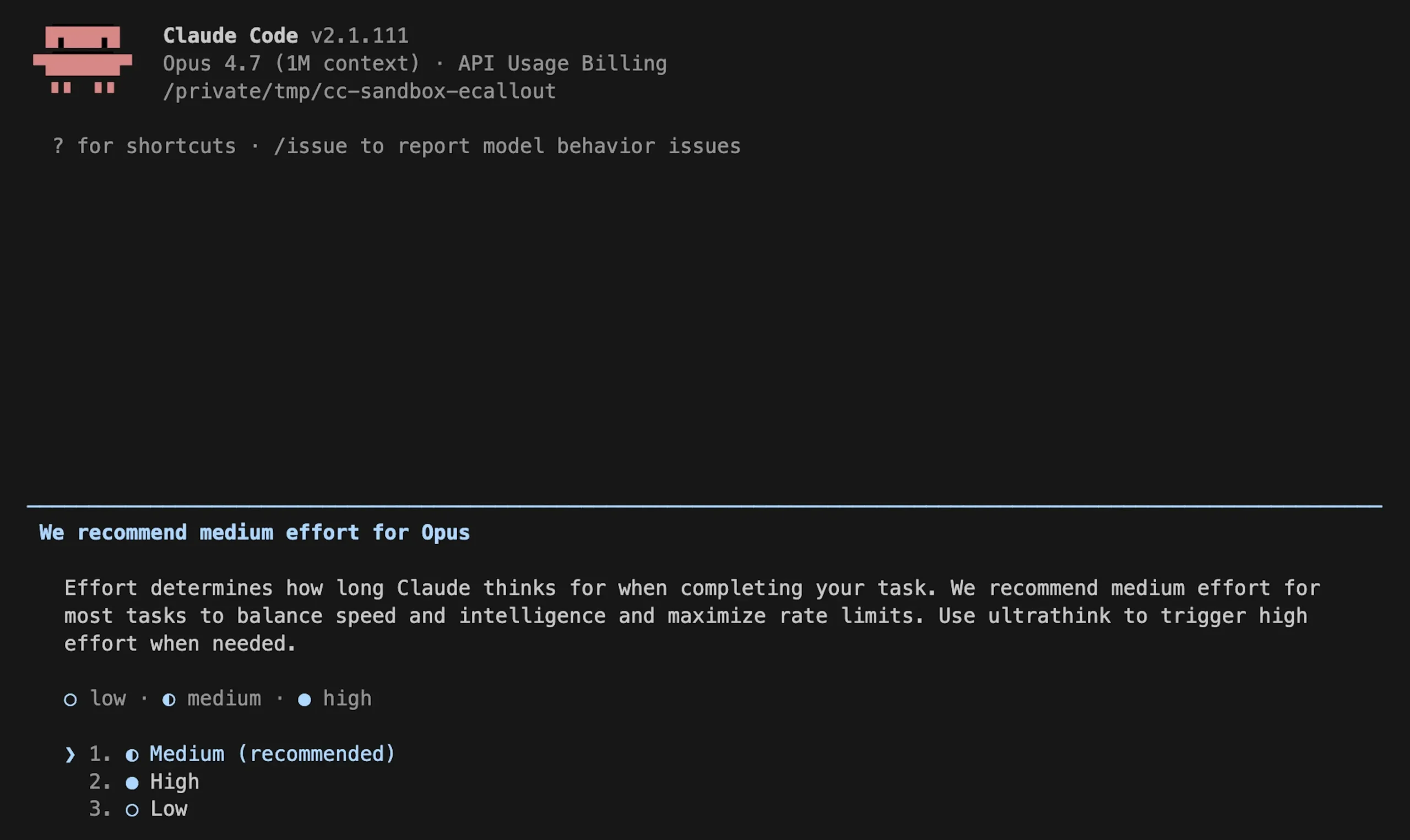
The first change happened on March 4. To reduce occasional extremely long delays (where the UI appeared to freeze) when Opus 4.6 ran at high reasoning effort, the team dropped Claude Code's default reasoning effort from high to medium. Users widely complained that the tool had gotten dumber. On April 7, the team rolled back the change. Now Opus 4.7 defaults to xhigh, and other models default to high.
The second issue was a bug introduced on March 26. The intended design was to clear old reasoning traces after a session had been idle for more than an hour, to reduce the cost of restoring a session. But the implementation was flawed: instead of clearing once, it cleared on every subsequent turn. The model gradually lost its earlier reasoning context, leading to increasingly forgetful behavior, repeated operations, and abnormal tool calls. The bug also caused every request to miss the cache, accelerating users' quota consumption. The team says two unrelated internal experiments masked the reproduction conditions, and it took over a week to track down the root cause. The fix went out on April 10. Afterward, the team ran a retrospective code review on the problematic PR using Opus 4.7 — Opus 4.7 caught the bug, while Opus 4.6 did not.
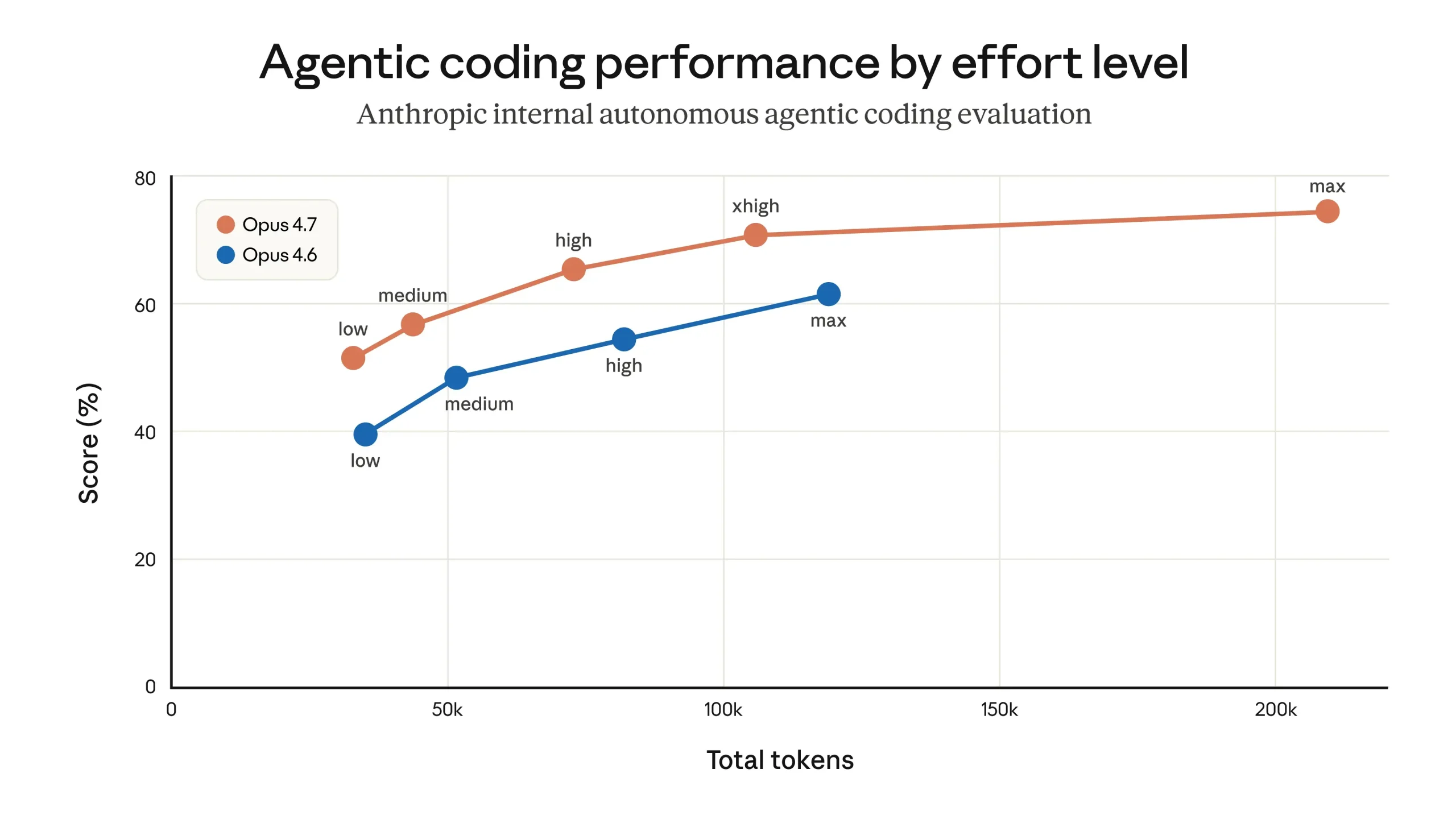
The third change shipped with Opus 4.7 on April 16. The team added a line to the system prompt that restricted output length: "No more than 25 words between tool calls, and no more than 100 words in the final response, unless the task requires more detail." Internal testing for weeks showed no regressions, but once live, the instruction interacted badly with other prompts and degraded coding quality across Sonnet 4.6, Opus 4.6, and Opus 4.7. Expanded evaluation revealed a 3% drop for both Opus 4.6 and 4.7. The change was rolled back on April 20.
Each of the three changes affected different user groups and took effect at different times. Their combined effect was a broad but inconsistent quality drop that made debugging much harder. Anthropic says it will now require more internal employees to use the exact same public build as users, run the full model evaluation suite on every system prompt change, and introduce a gradual rollout period. As compensation, Anthropic has reset the usage quotas for all subscribers.