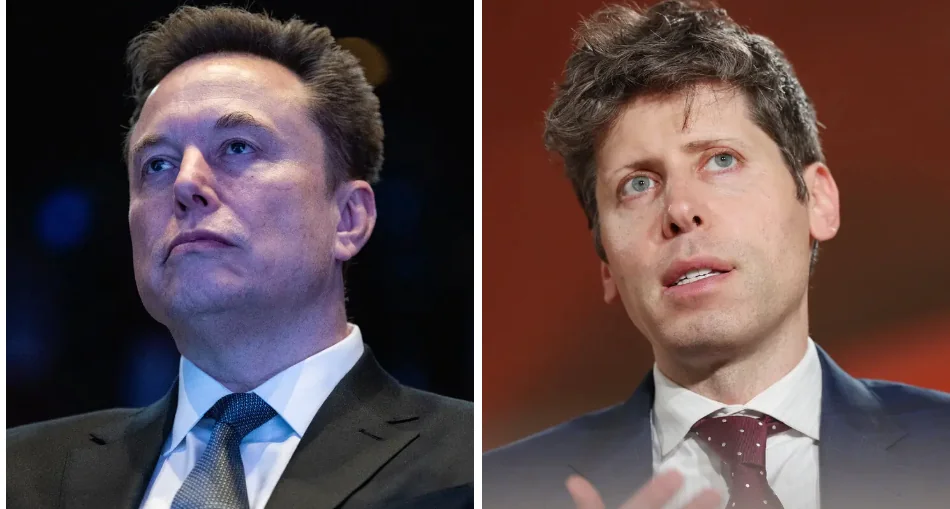
Elon Musk took the stand Tuesday in his blockbuster lawsuit against OpenAI, calling the company's for-profit conversion "stealing a charity." If it succeeds, he warned, it would set a precedent for raiding every nonprofit in America. He's seeking $150 billion in damages and an order to unwind OpenAI's for-profit structure. The company is currently valued at about $730 billion.
Opening statements were a slugfest. Musk's lawyer from Molo likened OpenAI to a museum gift shop that "stole the museum and monetized the Picasso." OpenAI's lawyer, Savitt, fired back that Musk is simply sour grapes: he left in 2018 and raised no objection when Microsoft poured in $1 billion the following year — until ChatGPT blew up. "My clients had the guts to succeed without him, and Musk doesn't like it," Savitt said. He then produced an email from Musk's own chief of staff before Musk resigned, proposing to give Musk 55% equity in the for-profit entity — and Sam Altman just 7.5%.
Musk, testifying as his own first witness, painted himself as the driving force behind OpenAI. "I named it, recruited the key people, and raised the money," he said. He admitted discussing a for-profit arm but insisted any profit-seeking had to remain small — "the tail can't wag the dog." He said he ultimately left because other founders wanted too much equity, calling the process "very annoying." He also recounted OpenAI's origin story: Google co-founder Larry Page once called him a "speciesist" for favoring humans over future digital life, which spurred Musk to create OpenAI as a counterweight to Google.
Microsoft lawyer Cohen argued that Musk kept donating money while OpenAI set up its for-profit arm, never objecting until after ChatGPT's success. Cohen also revealed that Microsoft had no advance knowledge when Altman was fired by the board in 2023. Musk is expected to continue testifying Wednesday.