
The simmering conflict between Tsinghua University associate professor Dai Jifeng and Shanda Group founder Chen Tianqiao has exploded into public view.
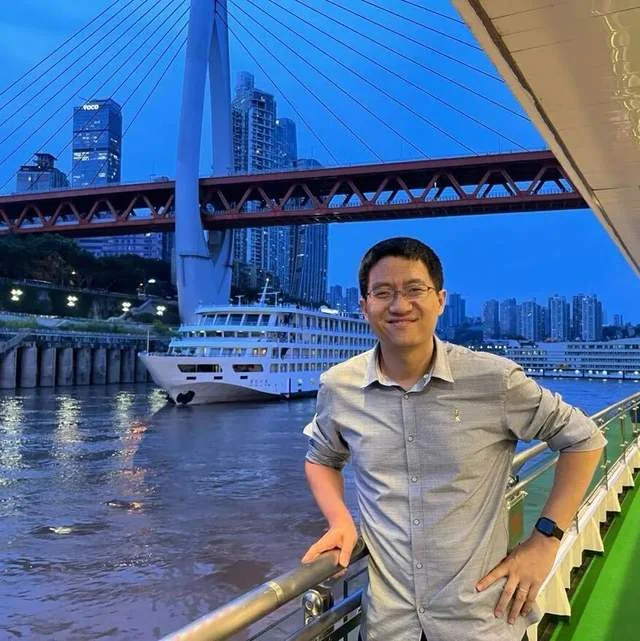
Dai first went to the Washington Post to claim that after the Manus AI incident, MiroMind pressured him to relocate overseas. He says he resigned because he wouldn't comply.
MiroMind responded the next day with an internal memo that systematically rebuts his account.
The company produced O-1 visa approval documents showing Dai actively applied to go to the US in March 2025 — right after he joined — with the company starting the visa process in May and approval coming in November, well before the Manus incident.
The memo also details the departure negotiations: On January 15, 2026, the night Dai proposed resigning, he allegedly offered 15% equity in his new company in exchange for MiroMind's IP rights and permission to take all of MiroMind's domestic talent with him. Chen even helped connect him with investors like IDG Capital and Sequoia China.
But after Dai secured funding, the story changed. In March, his investor group formally reduced the equity offer to 5% and demanded a "free, perpetual, irrevocable, worldwide license." MiroMind refused, calling the technology "the common property of the company's employees" and noting that Chen personally invested nearly $100 million. No deal was reached, and Dai took his story to the Washington Post.
MiroMind says it has identified evidence of "trade secret infringement and malicious defamation" and is reserving the right to file criminal and civil complaints.
Since Dai's departure, MiroMind has brought in former xAI researcher Du Shaolei to lead reasoning models, Nanyang Technological University professor An Bo to head the agent runtime system, and former Meta FAIR researcher Yang Kaiyu to work on verifiable AI.