
Oracle's Stargate Bet Rests on a Customer That Can't Pay
Ed Zitron argues that every Stargate data center is built for OpenAI, which is projected to lose $167 billion by 2028—making Oracle's bet on its growth a house of cards.
Ed Zitron argues that every Stargate data center is built for OpenAI, which is projected to lose $167 billion by 2028—making Oracle's bet on its growth a house of cards.

ByteDance, Zhipu AI, and Alibaba land on TIME's first-ever AI-focused list, alongside OpenAI, Anthropic, and a surprise 'no-Western-chips' label for Zhipu.
Amazon CEO Andy Jassy says OpenAI models will be available on AWS Bedrock in weeks, alongside a new stateful runtime for AI agents. The move follows OpenAI's revised agreement with Microsoft that ended exclusive API hosting.

AI startups are reporting that cloud providers like Microsoft and Amazon are prioritizing internal teams and big clients, leaving smaller companies facing price hikes, long wait times, and tougher contract terms.

Google is investing an immediate $10 billion in Anthropic at a $350 billion valuation, with up to $30 billion more tied to performance milestones. The deal also includes a 5GW cloud capacity commitment, hot on the heels of Amazon's own megadeal.
Anthropic's /ultrareview for Claude Code launches a cloud-based multi-agent team to find real bugs before you merge — but it'll cost you.

A leaked presentation shows ad tech firm StackAdapt is selling ChatGPT ad slots for $15–60 CPM with a $50k minimum spend, as OpenAI's ad push sparks employee departures and mixed reactions.

Anthropic and Amazon are committing over $100 billion to AWS over the next decade, securing up to 5GW of compute to prevent Claude from buckling under user demand.

A leaked Amazon internal report reveals that generative AI is accelerating tool duplication and data inconsistency across teams, creating what the company calls "AI sprawl."
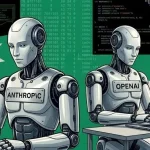
Anthropic and OpenAI are racing to embed security capabilities directly into their AI models, fundamentally changing how vulnerabilities are found and exploited. This shift is already rattling the cybersecurity industry and raising questions about who controls these powerful new tools.