
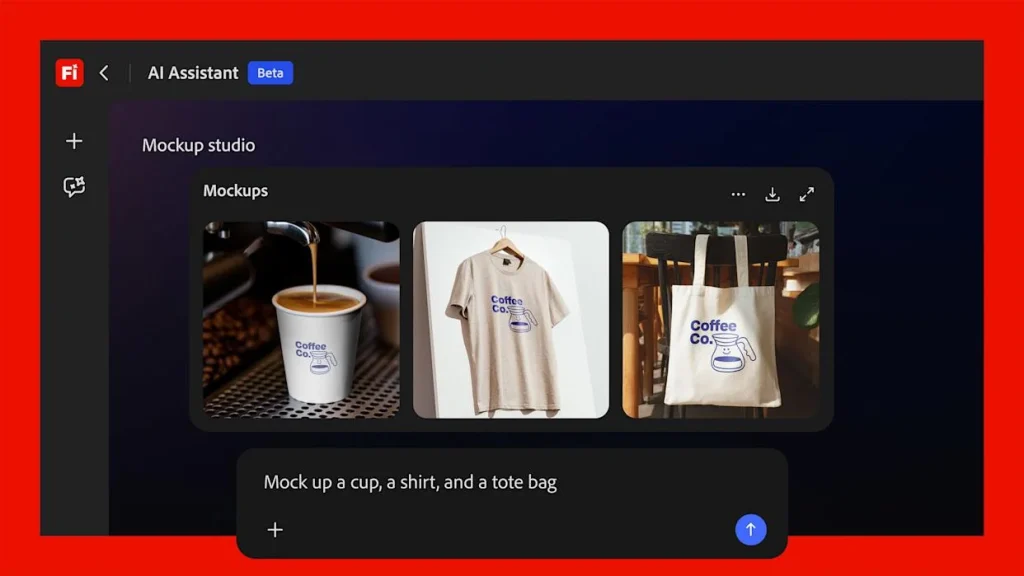
Adobe just dropped a new AI assistant called Firefly that can take orders across its entire creative suite—Photoshop, Illustrator, Premiere Pro, and more. Tell it what you want in plain English, and it’ll figure out which tools to use and how to use them.
Firefly is designed to handle the parts of a project you don’t need to micromanage. Ely Greenfield, CTO of Adobe’s Creative & Productivity business, described it like this: when you need pixel-level precision, you can still dive into the tools yourself. But when you’re dealing with broader, more repetitive tasks—like applying a consistent style across a batch of images—you can hand it off to the AI and skip the step-by-step grind.
https://twitter.com/juliewdesign_/status/1638193347096375299
Adobe also announced a partnership with Anthropic. Users of Anthropic’s Claude AI will be able to tap directly into Adobe’s creative tools via a connector. Financial terms weren’t disclosed.
Firefly is the latest in a string of homegrown AI tools Adobe has rolled out since 2023. The company has consistently pitched its AI as having clear copyright protections—making it safe for commercial use—which it sees as a key differentiator against cheaper, often murkier competitors. As AI dramatically lowers the barrier to creating images and video, flooding the market with new tools, Adobe’s play is straightforward: go pro, go compliant, and court the enterprise crowd.
But the pressure is on. Investors have been skeptical about when Adobe’s AI bets will actually pay off, and the company’s long-serving CEO announced last month that he’ll step down once a successor is named. Pricing for Firefly hasn’t been set, but Adobe expects it to drive more consumption of “AI credits”—the company’s primary metering system for its AI features today.
In other words, Firefly isn’t just a feature upgrade. It’s also a reason for users to spend more.